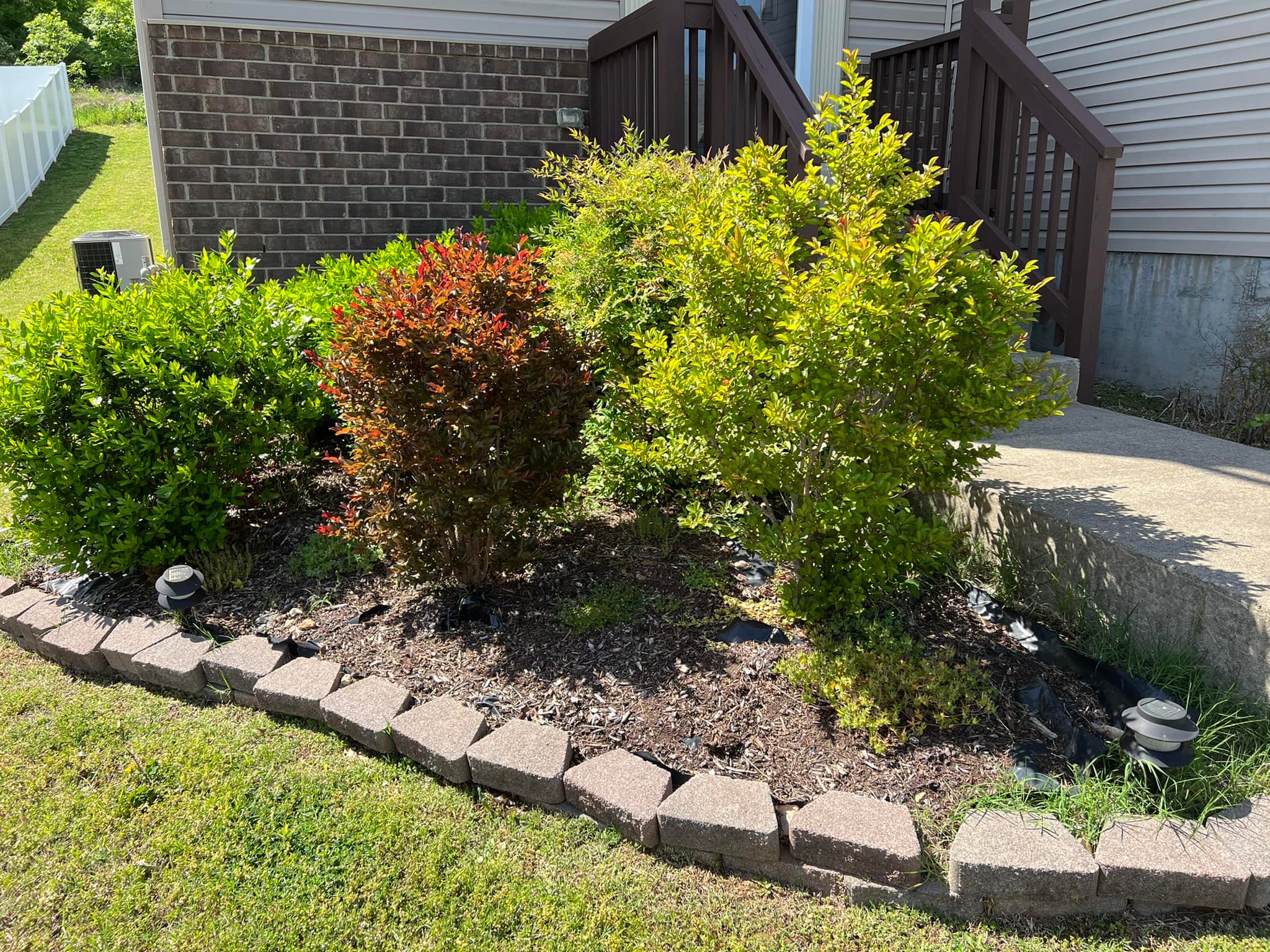
Creating Biodiverse Lawn Ecosystems: A Guide to Wildlife-Friendly Practices Mar 11, 2026
As urban spaces continue to encroach on natural habitats, our lawns present an opportunity to recreate small pockets of biodiversity. To start crafting a more wildlife-friendly lawn, consider embracing a variety of plant species. Incorporating native grasses, flowering plants, and ground covers will provide essential habitat and resources for local fauna. Native plants are adapted to the local climate and soil conditions, requiring less water and maintenance while offering crucial support for local populations of insects and birds.
Next, revisit your mowing and maintenance practices. A closely cropped green lawn might be visually appealing, but allowing certain sections to grow a bit longer can be extremely beneficial for biodiversity. Longer grass provides shelter and breeding grounds for insects like butterflies and natural pest controllers such as ladybugs. By reducing the frequency of mowing in certain areas, you can promote an array of grasses and flowers that create ideal conditions for wildlife.
Another key aspect is minimizing the use of synthetic fertilizers and pesticides. Over-reliance on chemicals can lead to detrimental effects on soil health, water quality, and the well-being of non-target species. Opt for organic treatments where possible, or explore natural lawn care techniques like composting and mulching, which support soil vitality and nutrient recycling. Composting kitchen and garden waste not only reduces landfill burden but also offers rich organic matter that boosts your lawn’s fertility naturally.
To further enhance the ecological value of your lawn, consider adding diverse structural elements. Features like small rock piles, logs, and nest boxes can provide shelter and homes for various bird and insect species. Creating a water source, such as a small pond or a birdbath, is another excellent method to attract wildlife. Water is essential for sustaining life, and providing a reliable source can help support a wide range of species, especially during dry periods.
A vital but often overlooked element of a biodiverse lawn is building a network of plants that support and entangle with each other, forming natural layers. This stratification can include ground cover plants that offer food and shelter at the base level, followed by taller grasses and perennial flowers, and ultimately shrubs and small trees that extend vertically. This layered complexity mimics natural habitats, offering food, shelter, and nesting sites for different wildlife species.
Promoting a biodiverse lawn ecosystem is a rewarding journey that not only beautifies your space but also contributes positively to the local ecology. At Grass Management, we're committed to supporting you every step of the way, offering expert guidance and services tailored to achieving a sustainable and wildlife-friendly lawn. By adopting these practices, you are fostering a healthier environment and creating a more vibrant and interactive outdoor space.
In conclusion, creating a biodiverse lawn is not just about planting a few more species or letting grass grow a bit longer. It's about reconnecting with nature and playing a part in restoring ecological balance. With thoughtful planning and sustainable practices, your lawn can transform into a crucial sanctuary for biodiversity. Embrace the change and watch as your outdoor environment teems with life, all while knowing you're contributing to a healthier planet.
/filters:no_upscale()/filters:format(webp)/media/c0b35a24-14ef-4c4e-877b-3369e69476cd.jpeg)