Eco-Friendly Lawn Care: Sustainable Practices for a Greener Future Nov 13, 2025
One of the foundational steps in sustainable lawn care is proper lawn mowing techniques. Regular mowing, while crucial, should be done with an understanding of its impact on lawn health. Keeping grass blades longer can promote a deeper root system, enhance soil health, and reduce the need for water and fertilizers. Aim to cut no more than one-third of the grass height at a time, using well-maintained equipment to ensure clean cuts. This minimizes stress on the grass and encourages vigorous growth.
Another important practice is soil health management. Healthy soil is the cornerstone of a thriving lawn, supporting strong root growth and reducing the need for chemical fertilizers. At Grass Management, we recommend the use of organic fertilizers that release nutrients slowly, feeding your lawn naturally over time. Composting can also be an excellent way to boost soil fertility. By adding compost to your lawn, you can improve soil structure, moisture retention, and nutrient content – all while reducing waste sent to landfills.
Water conservation is another critical aspect of eco-friendly lawn care. Overwatering not only wastes water but also can harm your lawn by promoting shallow root growth and increasing susceptibility to pests and diseases. Smart irrigation systems, like drip irrigation or soaker hoses, are practical choices for reducing water use while ensuring your lawn gets what it needs. Watering early in the morning minimizes evaporation and maximizes absorption. Additionally, you can optimize water use by selecting drought-resistant grass varieties that require less frequent watering.
Pest and weed control can also be approached sustainably. Instead of relying on chemical pesticides and herbicides, which can harm beneficial insects and contaminate water sources, consider using integrated pest management (IPM) strategies. These methods involve encouraging natural predators, using mechanical controls such as hand-pulling weeds, and resorting to chemical options only as a last resort. Ground covers and mulch can suppress weeds effectively while enhancing soil moisture retention and preventing erosion.
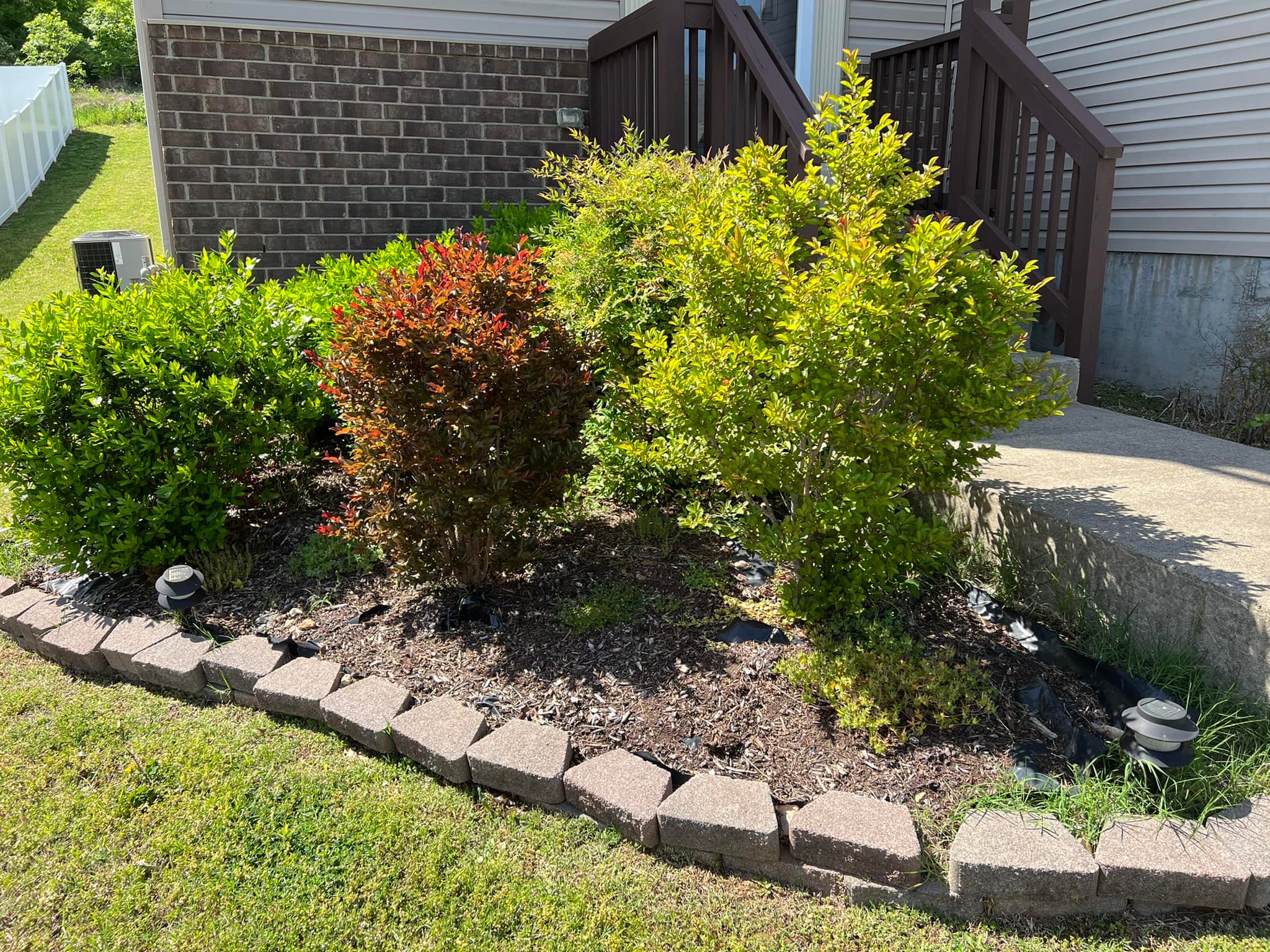
Selecting the right plants for your lawn and garden space plays a vital role in eco-friendly lawn care. Native plants are ideal as they are adapted to local climate conditions, often requiring less water and maintenance than non-native species. They also provide habitat for local wildlife, contributing to biodiversity. By incorporating a diverse array of native plants, homeowners can create a resilient, low-maintenance landscape.
In conclusion, eco-friendly lawn care is about making mindful choices that benefit both your lawn and the environment. By adopting sustainable practices such as proper mowing, soil health management, water conservation, organic pest control, and strategic plant selection, you can maintain a lush, green lawn that is as beautiful as it is responsible. At Grass Management, we are dedicated to partnering with you in these efforts, offering expert advice and services to support your journey toward a sustainable, greener future. Let's work together to create lawns that are both aesthetically pleasing and environmentally friendly, ensuring a better tomorrow for generations to come.
/filters:no_upscale()/filters:format(webp)/media/c0b35a24-14ef-4c4e-877b-3369e69476cd.jpeg)