Eco-Friendly Turf Transformation: How to Make Your Lawn Environmentally Sustainable Jun 05, 2026
The journey towards an eco-friendly lawn begins with choosing the right type of grass. Native grasses are typically the best option because they are adapted to your local climate and soil conditions, requiring less water and fewer chemical interventions. Native grasses such as buffalo and fescue not only reduce water usage but also support local wildlife by providing habitat and food sources.
Water conservation is another crucial aspect of creating a sustainable lawn. Overwatering is a common mistake that not only wastes water but can also lead to unhealthy grass. Consider installing a smart irrigation system that adjusts watering schedules based on weather conditions. You can also collect rainwater in barrels to use for watering your garden. Early morning or late evening watering minimizes evaporation and maximizes water absorption, making it more efficient.
Embracing organic fertilizers instead of synthetic options can significantly decrease your lawn's environmental footprint. Organic fertilizers are made from natural materials like compost, manure, and bone meal, which enhance soil health without the negative impact of chemicals. Composting your kitchen and garden waste is a terrific way to create your own organic fertilizer, enriching your soil and reducing waste.
Another important factor in eco-friendly lawn management is maintaining healthy soil. Healthy soil supports robust plant growth and reduces the need for artificial fertilizers. Aerating your lawn annually helps to break up compacted soil, allowing nutrients and water to penetrate deeply. Additionally, testing your soil’s pH can inform you if lime or sulfur treatments are necessary to balance alkalinity and acidity.
Reducing your lawn’s carbon footprint is possible through proper mowing techniques. Sharpen mower blades regularly to ensure a clean cut, which promotes healthier grass growth and reduces the likelihood of disease. Try to mow your lawn to a height of three inches, which encourages deeper root systems and shades the soil from excessive sunlight, conserving moisture.
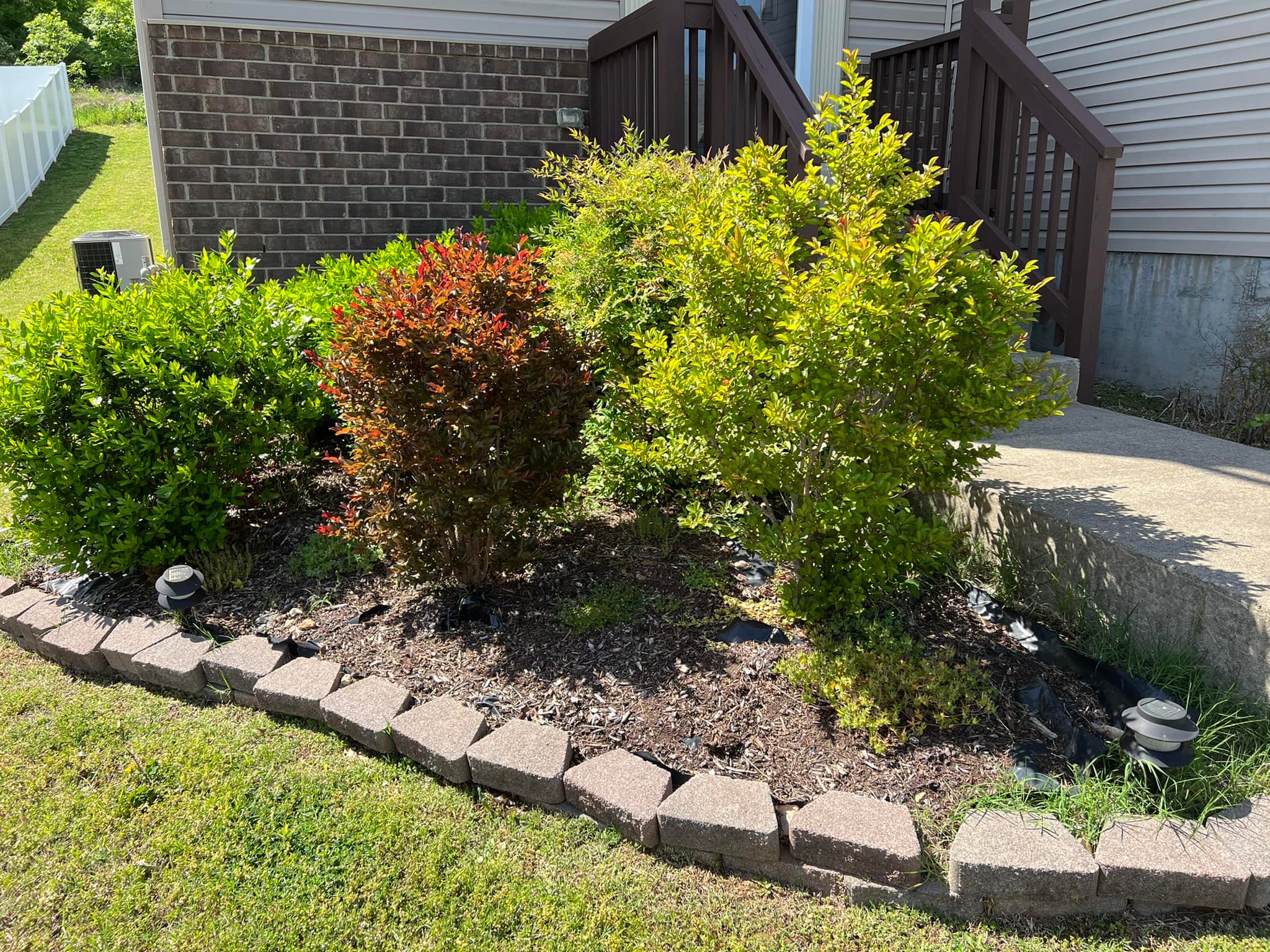
Incorporating diverse plant species into your lawn can enhance biodiversity, making your yard more resilient to pests and diseases. Planting wildflowers, perennials, and shrubs provides varied habitats and food for pollinators like bees and butterflies, making your garden a cornerstone of your local ecosystem.
Ending your journey towards a sustainable lawn comes with regular, mindful lawn care practices aligned with eco-friendly standards. Celebrating small wins, like reduced water bills or increased bee visits, continues to inspire commitment and spreads awareness among neighbors and peers.
Your lawn is not just a patch of grass; it's a dynamic ecosystem that can effectively contribute to a healthier planet. By following these eco-friendly turf transformation tips provided by Grass Management, you can ensure your lawn remains a thriving green space that respects environmental sustainability. Remember, every conscious choice you make helps sow the seeds for a greener, more sustainable future.
/filters:no_upscale()/filters:format(webp)/media/c0b35a24-14ef-4c4e-877b-3369e69476cd.jpeg)