Lawn Resilience: Adapting Grass Management Practices to Climate Change May 27, 2026
Climate change poses significant challenges to traditional lawn care practices. Rising temperatures, altered rainfall patterns, and extreme weather events are becoming more common, affecting the way grass grows and thrives. To maintain a healthy, green lawn amid these shifts, it's crucial to adapt your grass management practices.
The first step in building lawn resilience is choosing the right grass type for your region. Different varieties of grass exhibit various levels of tolerance to drought, heat, and cold. Consult with Grass Management to select a grass type that best suits your local climate conditions. For example, warm-season grasses like Bermuda or Zoysia thrive in hotter climates, while cool-season grasses such as Kentucky bluegrass or fescues are ideal for regions with cooler temperatures.
Water management is another crucial aspect of adapting to climate change. As unpredictable rainfall patterns and droughts become more common, it's important to optimize your irrigation practices. Water your lawn deeply but less frequently to encourage deep root growth, making your grass more drought-tolerant. Consider investing in a smart irrigation system that adjusts watering schedules based on weather forecasts and soil moisture levels.
Soil health plays a significant role in lawn resilience. Healthy soil acts as a reservoir, holding nutrients and moisture that grass needs to flourish. Regularly aerate your lawn to improve soil structure, allowing roots to expand and absorb nutrients more effectively. Additionally, applying organic fertilizers can enhance soil fertility without the adverse environmental impact often associated with synthetic products.
Mowing practices also contribute to lawn health. Keeping your grass at the optimal height can increase photosynthesis, promote root growth, and help retain soil moisture. Avoid cutting more than one-third of the grass blade at a time and adjust your mower's height based on the season and grass type. During periods of extreme heat, raising the mowing height can reduce stress on the grass.
Weed control is essential as climate change may encourage the growth of different weed species. These aggressive plants compete with grass for water, nutrients, and sunlight. Grass Management recommends environmentally friendly weed control methods, such as organic herbicides or manual removal, to prevent harm to the surrounding ecosystem.
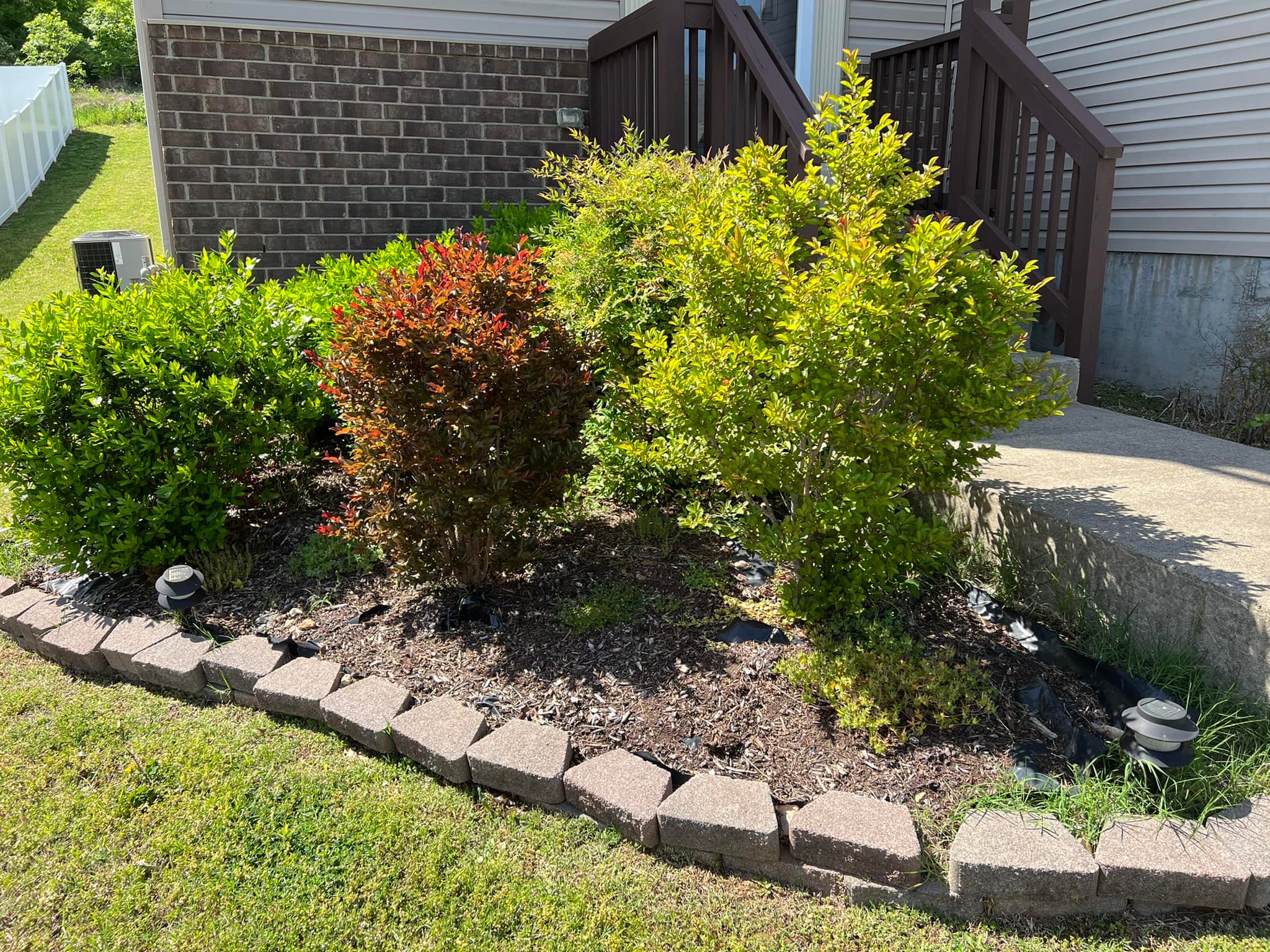
Lastly, consider integrating climate-resistant landscaping features. Incorporating native plants and mulched areas can reduce water usage and provide habitat for beneficial insects. Additionally, permeable hardscaping options such as gravel or pavers can aid in better water absorption and reduce runoff.
In conclusion, adapting grass management practices to the changing climate is an ongoing process that requires knowledge, flexibility, and innovation. Grass Management is dedicated to providing you with the necessary expertise and services to ensure your lawn remains lush and resilient amidst environmental changes. By implementing these strategies, you can contribute to a sustainable future while enjoying a verdant outdoor space for years to come. Let us be your partner in maintaining a thriving, climate-adapted lawn. Reach out to us for consultations and personalized lawn care plans tailored to your specific needs and local conditions.
/filters:no_upscale()/filters:format(webp)/media/c0b35a24-14ef-4c4e-877b-3369e69476cd.jpeg)