Smart Solutions for Water Conservation in Lawn Care Mar 13, 2026
Water conservation in lawn care begins with understanding the specific needs of your lawn. Different grass types and climates require varying amounts of water, and overwatering can lead to wasted resources and unhealthy lawns. The first step is to assess the natural rainfall in your area and adjust your watering schedule accordingly. Utilize a rain gauge to monitor precipitation and prevent unnecessary watering.
An efficient irrigation system is one of the best investments for water-conscious lawn care. Modern systems, such as drip irrigation and smart sprinklers, deliver water directly to the roots, significantly reducing waste. Smart sprinkler systems adjust watering based on weather conditions and soil moisture levels, ensuring your lawn receives the right amount at the right time. Installing a rain sensor is another cost-effective upgrade that automatically pauses the system when it's raining, further preventing water waste.
Lawn aeration is another critical component of a sustainable lawn care routine. Over time, soil can become compacted, hindering the absorption of water and nutrients. Aeration involves perforating the soil with small holes, allowing water and air to penetrate the roots more efficiently. This process not only conserves water by improving its absorption but also promotes a healthier and more vibrant lawn.
Choosing the right grass type is another smart solution for water conservation. Drought-resistant grass varieties, such as Bermuda or Buffalo grass, require significantly less water to thrive. These types are particularly beneficial in areas prone to dry spells, allowing you to maintain a lush lawn without excessive watering. Grass Management’s expert team can assist you in selecting the ideal grass species for your lawn that aligns with your water conservation goals.
Implementing proper mowing techniques also plays a role in water conservation. Grass blades that are too short lose moisture quickly. Maintaining a higher mowing height encourages deeper root growth and better moisture retention. Additionally, leaving grass clippings on the lawn can act as a natural mulch, reducing evaporation and keeping the soil cooler.
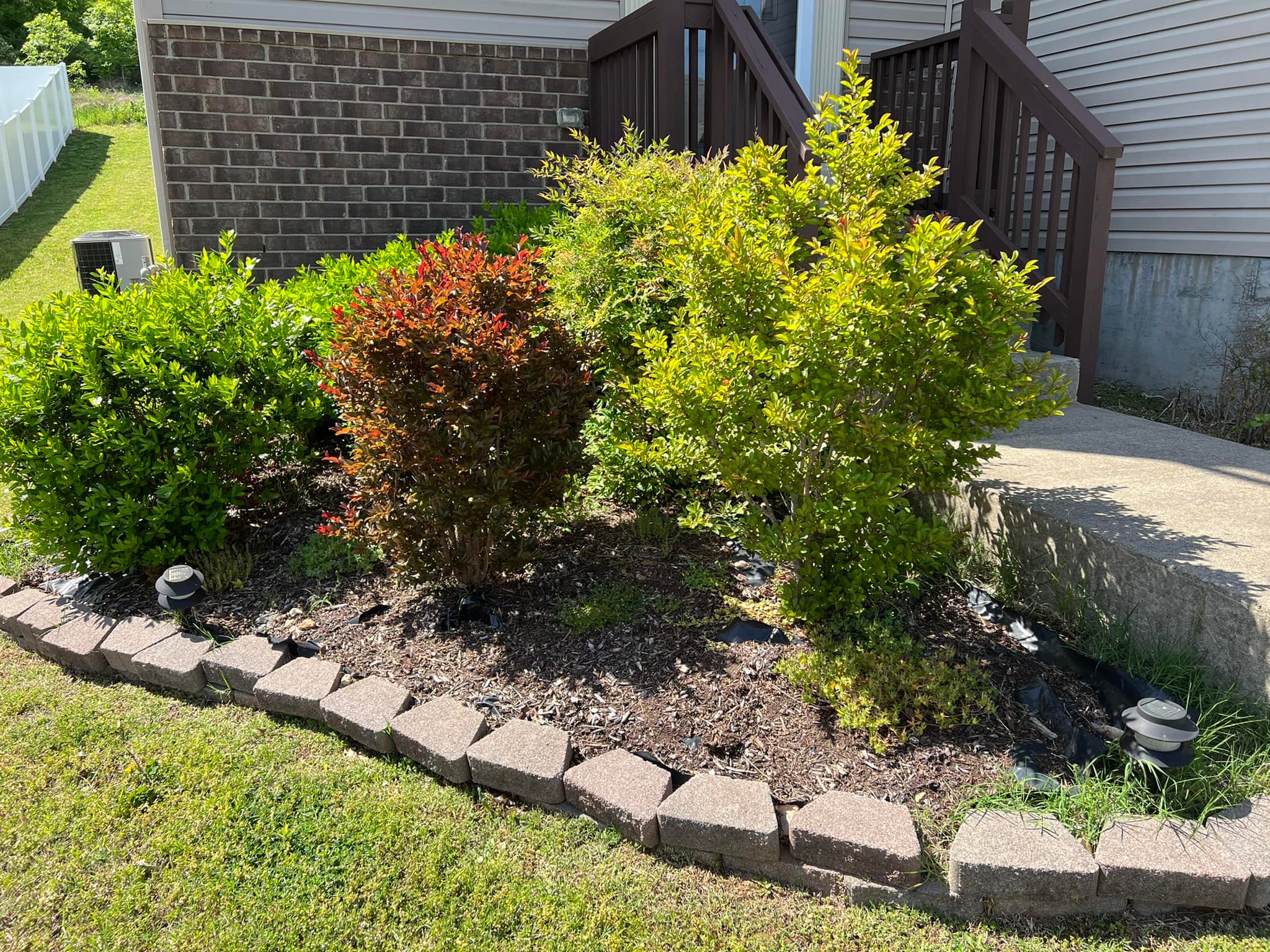
Mulching other areas of your landscape, such as garden beds and around trees, further aids in water conservation. A layer of organic mulch helps retain soil moisture, moderates temperature, and slowly decomposes to enrich the soil with nutrients, reducing the need for supplemental watering.
Finally, timing is key when it comes to watering your lawn. Early morning is the best time to water, as it reduces evaporation and allows grass to dry before evening, preventing fungal diseases. By watering at optimal times and intervals, you ensure maximum absorption and efficiency.
Reducing water usage doesn't mean sacrificing a beautiful lawn. By implementing these smart solutions, you can conserve water effectively while maintaining the lush landscape you desire. Grass Management is here to support your journey towards a more sustainable lawn, providing expert advice and services that align with environmentally friendly practices.
Through proactive measures, we can all contribute to preserving our planet's resources, starting right in our own backyards. Embrace these strategies and see the transformation in your lawn’s health and your water bills. For more insights and tailor-made lawn care solutions, connect with Grass Management today.
/filters:no_upscale()/filters:format(webp)/media/c0b35a24-14ef-4c4e-877b-3369e69476cd.jpeg)