Thriving Lawn Ecosystems: Practices for Insect-Friendly Gardens Apr 20, 2026
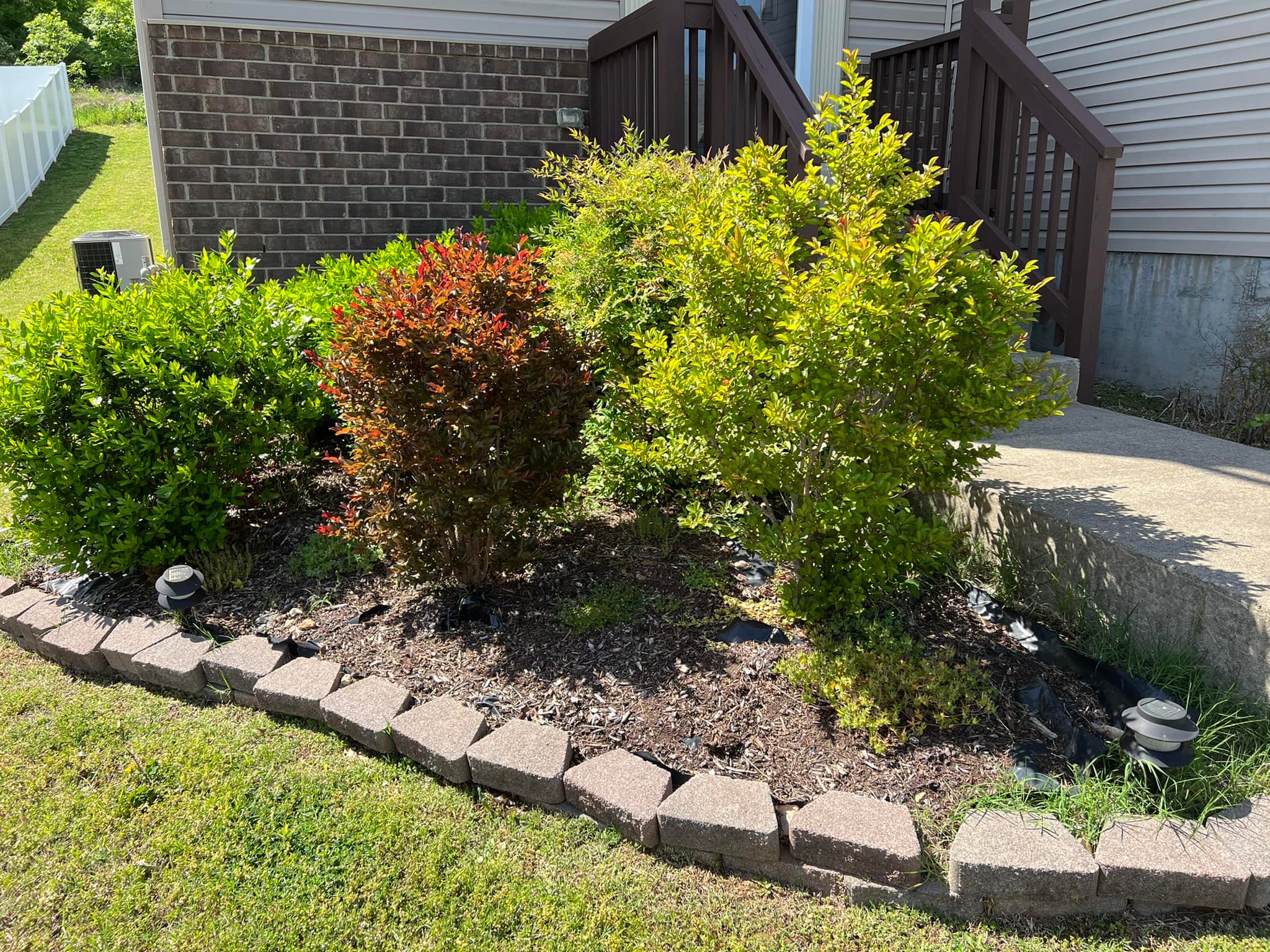
The foundation of an insect-friendly garden lies in diversity. A variety of plant species attract different insects by offering varied sources of nectar and shelter. Consider integrating native plants, which are genetically adapted to your local environment and beneficial insects. Native flowers, shrubs, and grasses provide food sources and habitat, inviting beneficial insects such as bees, butterflies, and ladybugs into your garden.
An often underestimated component of a thriving ecosystem is the role of soil health. Healthy soil is teeming with life, and its condition directly affects the plants and insects above it. Aerate the soil to improve its structure and ensure proper drainage. Regularly add organic matter like compost or mulch, which not only enriches the soil with nutrients but also provides a habitat for a diversity of organisms. A robust soil food web supports beneficial insects that can naturally manage pest populations.
Minimizing or eliminating chemical pesticide use is crucial for insect-friendly gardens. Chemical pesticides do not discriminate between harmful pests and beneficial insects. Instead, adopt integrated pest management practices. These include using natural pest control methods such as introducing predator insects like lacewings, which feed on aphids and other pests, thereby reducing the need for chemical interventions. Encouraging natural predation helps maintain the delicate balance of your garden ecosystem.
Water features like small ponds or birdbaths can also create an inviting environment for beneficial insects. Many species of insects, like dragonflies and various pollinators, are drawn to water, making these features an excellent addition to your garden. Ensure water sources are shallow, with sloping sides allowing insects to easily access and egress from the water. Remember to change the water regularly to prevent mosquito breeding.
The timing of garden maintenance activities can greatly impact insect populations. For instance, mowing your lawn less frequently and at higher lengths can be beneficial. Longer grass blades provide a habitat for insects and allow some flower blossoms to grow, which in turn can attract and sustain bees and other pollinators. When mowing is necessary, look for alternative spots to grow wildflowers that offer a constant nectar source.
Education and awareness play a key role in nurturing insect-friendly lawns. Take time to observe the micro-interactions happening in your garden. Encourage children and neighbors to explore and understand the importance of insects. Hosting a small "garden safari" or creating an insect observation zone can foster this understanding while nurturing a community ethos around sustainable gardening practices.
In conclusion, cultivating an insect-friendly garden is about enriching your outdoor space with native plants, healthy soil practices, minimized pesticide use, and features like water sources that support insect life. Through these deliberate efforts, not only do you contribute positively to local biodiversity, but you also reap the benefits of a naturally resilient garden ecosystem. At Grass Management, we believe these practices lead to resilient, vibrant lawns that are not only visually appealing but also support and sustain essential insect life for the future.
/filters:no_upscale()/filters:format(webp)/media/c0b35a24-14ef-4c4e-877b-3369e69476cd.jpeg)