Blog
Precision Lawn Care: Tailoring Techniques for Unique Grass Varieties
Every lawn is different, and just as you wouldn’t use the same care regimen for an orchid that you would for a cactus, different grass species demand varying management techniques. The first step in precision lawn care is identifying the grass types in your landscape. Common varieties include Kentucky Bluegrass, Bermuda grass, and Zoysia, each with distinct preferences for sunlight, watering, and soil composition.
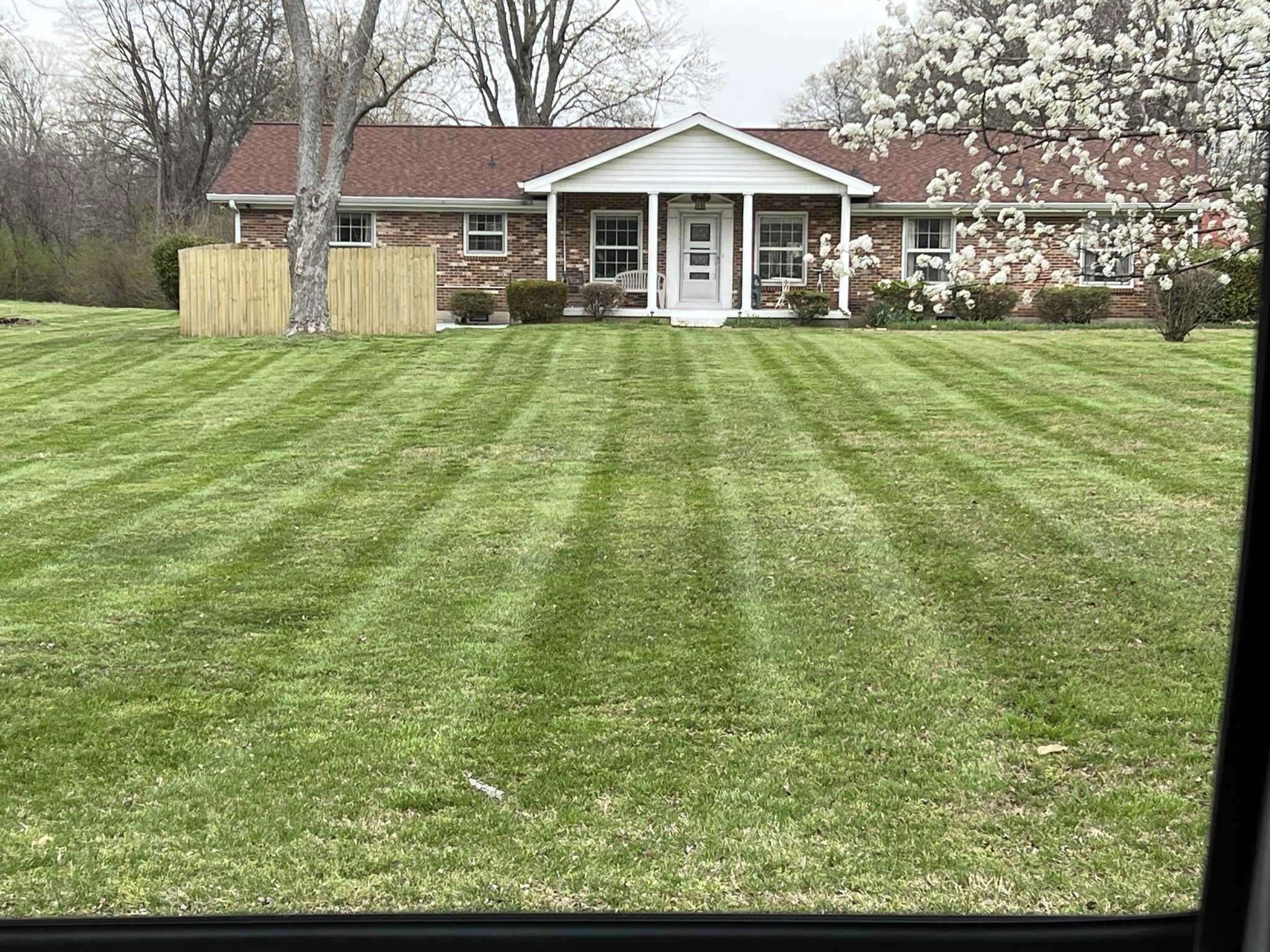
Once identified, the next step is establishing a mowing schedule that respects the growth patterns of your grass. For instance, Bermuda grass prospers when mowed to a height of 1-2 inches, often requiring frequent trims during peak growing seasons. Conversely, Kentucky Bluegrass prefers a slightly higher cut, around 2-3 inches, which helps it retain moisture and stay healthy. Precision mowing not only promotes healthy growth but also improves the lawn's durability and aesthetic appeal.
Watering is another critical aspect where precision counts. While it might be tempting to water your lawn daily, overwatering can lead to shallow root systems and increased susceptibility to disease. Instead, adjust your watering habits based on the needs of your grass variety and local weather patterns. For example, most warm-season grasses, such as Bermuda, thrive with less frequent but deeper watering. In contrast, cool-season grasses like Fescue tend to require more regular watering during dry spells. Implementing a targeted irrigation routine enhances root development and conserves water, benefiting both your lawn and the environment.
Fertilization also varies among grass types. Warm-season grasses generally need nutrient support as they emerge from dormancy in the spring, while cool-season grasses benefit more from fall fertilization. A soil test can be an invaluable tool, providing insights into current nutrient levels and helping you select the right fertilizer blend tailored to your lawn's specific needs. Precision fertilization ensures that your grass receives optimal nutrients without the risk of over-fertilization, which can harm beneficial soil organisms.
Weed and pest control are additional components of a precision lawn care approach. Different grass types have varying levels of resistance to pests and diseases. By identifying common threats to your grass species and monitoring for those specific issues, you can adopt targeted control measures. For instance, endophyte-enhanced fescue varieties naturally repel many common pests, reducing the need for chemicals.
In conclusion, embracing precision lawn care tailored to your unique grass varieties is key to maintaining a healthy, vibrant lawn. By understanding and catering to the specific requirements of your grass, you can achieve a yard that is not only aesthetically pleasing but also resilient and sustainable. At Grass Management, we're here to guide you through the process, ensuring that your lawn care practices align perfectly with your landscape’s unique needs, ultimately leading to long-term health and beauty for your lawn. Whether you're doing it yourself or seeking professional help, remember that the path to a perfect lawn is paved with personalized care and attentive management.