Blog
Sustainable Lawn Practices: Minimizing Chemical Use for Healthier Grass
The journey towards a sustainable lawn begins with understanding your environment. Know your soil type, regional climate, and native grass species. This knowledge helps you make informed choices about lawn care practices that align with the natural ecosystem. Before considering any chemical treatments, consider a soil test. This simple step provides crucial insights into nutrient levels, helping you tailor your approach without unnecessary additives.
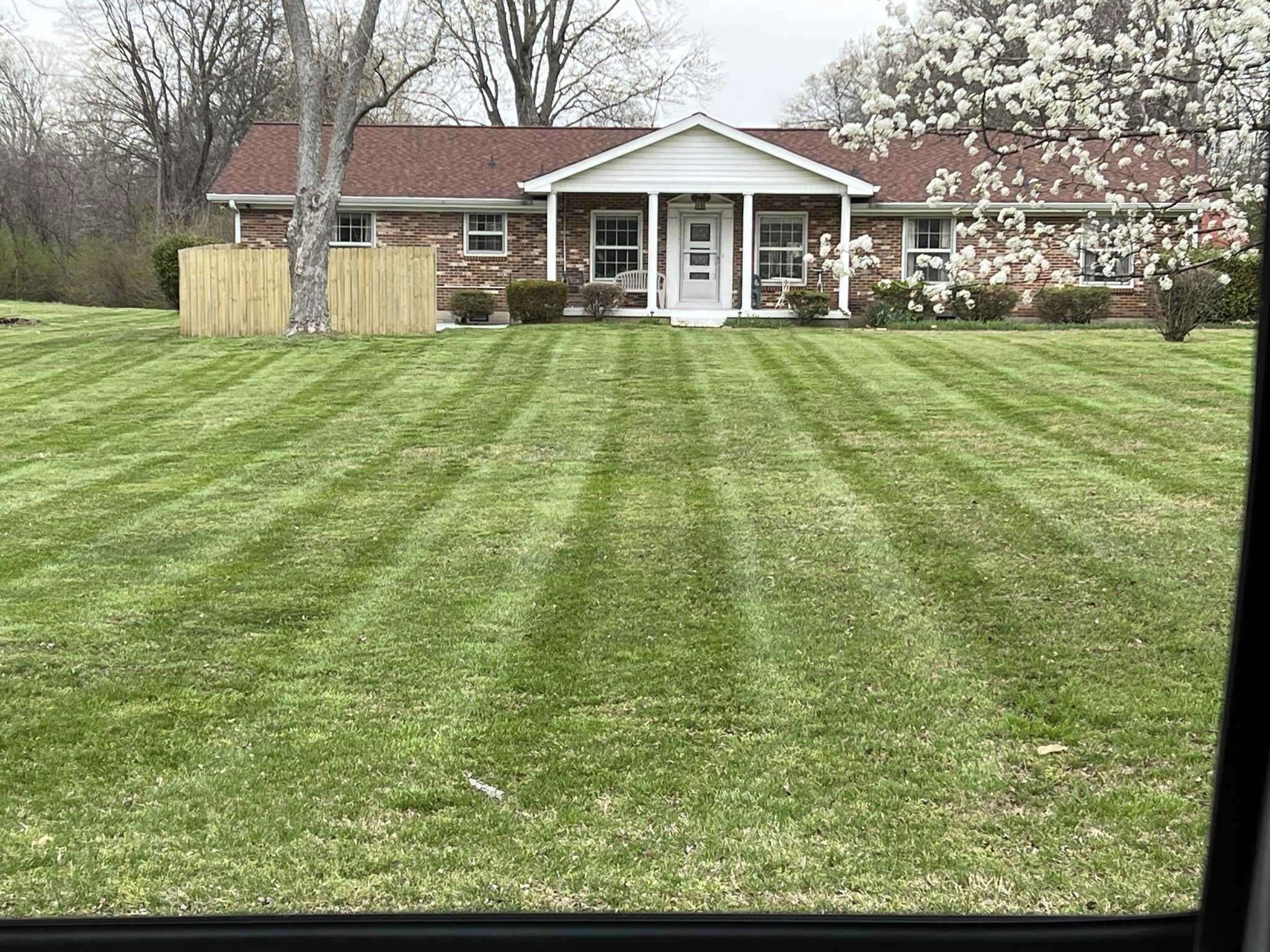
Caring for your lawn starts with practical and sustainable mowing techniques. Maintain your grass at the recommended height—not only does this encourage deeper root systems, but it also shades the soil, reducing the need for excessive watering. Sharpen your mower blades regularly to prevent tearing, which can make your lawn susceptible to pests and disease. Remember, grass is healthiest when it's strong and resilient; these small adjustments can significantly reduce the need for chemicals.
Watering is another critical element in sustainable lawn care. Overwatering not only wastes precious resources but also promotes shallow root growth, making your lawn dependent on constant watering. Instead, water deeply but infrequently, encouraging roots to grow deeper into the soil where they can access moisture naturally. Consider installing a rain barrel or using a smart irrigation system to further optimize your water usage. By taking these steps, you create a lawn that's not only sustainable but also more drought-tolerant.
When it comes to fertilization, choose organic or slow-release fertilizers. These products provide essential nutrients without the risk of chemical runoff, protecting local water bodies and surrounding flora and fauna. Composting is another excellent alternative, turning kitchen scraps and lawn clippings into a nutrient-rich amendment. By nurturing your lawn with natural products, you enhance soil health and check off one more step towards sustainability.
The management of weeds and pests without resorting to harsh chemicals can be challenging but feasible. Begin with manual weeding to avoid introducing harmful substances. For persistent weeds or pest issues, explore natural solutions, such as neem oil or diatomaceous earth, which target problems without the collateral damage associated with chemical alternatives. Additionally, maintaining a robust lawn through proper mowing and watering practices naturally crowd out potential invaders, reducing the need for intervention.
Finally, consider the biodiversity of your lawn. Incorporating a variety of plants can create a more resilient ecosystem, discourage pests, and invite beneficial insects. Clover, for example, not only adds diversity but also enriches the soil with nitrogen—a natural fertilizer. By taking a holistic approach to lawn care, you're investing in a healthier, more sustainable environment.
In conclusion, transitioning to sustainable lawn practices may require a shift in mindset and some initial effort, but the rewards of vibrant, resilient grass, and a reduced environmental footprint are well worth it. At Grass Management, we are committed to supporting you in this journey towards greener, healthier lawns. Adopting these eco-friendly methods not only benefits your immediate surroundings but contributes positively to the broader ecosystem, ensuring a better planet for future generations.